Z-Plasty Transposition
Transposes triangular skin flaps to change the scar direction, lengthen contracted tissue, and break up continuous scar lines.
RECONSTRUCTIVE SURGERY & SCAR CARE
Specialist surgical and non-surgical scar revision designed to reposition, narrow, flatten, and blend conspicuous traumatic or surgical scars into natural anatomical skin creases.

CLINICAL FOUNDATION & MECHANICS
In-depth medical explanation of anatomical principles and clinical execution.
Scar revision is a specialized field of plastic and reconstructive surgery aimed at improving the appearance, texture, and functional mobility of prominent, disfiguring, or restrictive scars.
Whenever the skin sustains deep injury — whether from previous surgery, vehicular trauma, burns, or lacerations — the body heals by depositing fibrous collagen tissue. However, factors such as poor wound orientation across lines of skin tension, infection, delayed healing, or excessive movement can cause scars to heal poorly.
Common problematic scar presentations include: - Hypertrophic scars: Thick, raised, red scars that remain elevated within the wound boundary. - Widened scars: Scars that have stretched under tension into broad, flat, pale bands. - Contracture scars: Tight bands of fibrous tissue that tether the skin and restrict movement around joints or facial features. - Depressed or tethered scars: Scars anchored to deep fascia, creating visible indentations.
CLINICAL REALITY: No surgical procedure can make a scar disappear completely. The objective of scar revision is to replace an irregular, noticeable, or restrictive scar with a fine, flat, and discreet surgical line oriented parallel to relaxed skin tension lines (RSTLs), rendering it far less visible.
Scar revision employs advanced reconstructive plastic surgery techniques: 1. Complete Surgical Excision: The abnormal scar tissue is excised down to healthy, pliable tissue planes. 2. Geometric Re-orientation (Z-Plasty / W-Plasty): Linear scars that cross natural skin folds or cause joint contracture are broken into geometric zig-zag segments. This redistributes physical tension, lengthens contracted tissue, and aligns scar vectors along natural skin wrinkles where shadows conceal them. 3. Layered Tension-Free Closure: Deep dermal absorbable sutures anchor the deep tissues, relieving all tension from the epidermal margins to prevent future scar widening.
Every procedure performed by Dr MP Madzhia adheres strictly to South African HPCSA specialist plastic surgery standards, utilizing accredited private hospital operating rooms and registered specialist anaesthetists.
PATIENT SUITABILITY & ASSESSMENT
Understanding physical indications, general health criteria, and situations where treatment is not advised.
POSITIVE CANDIDACY FACTORS
Suitability is determined during an individual clinical consultation. Common positive indications include:
Dr Madzhia adheres to ethical surgical boundaries. Conditions that generally preclude or postpone treatment include:
An in-person clinical examination with Dr Madzhia is necessary to evaluate your anatomy and determine treatment appropriateness.
Book ConsultationRECOGNIZED TECHNIQUES
Evidence-based clinical techniques tailored to your individual anatomical structure.
Transposes triangular skin flaps to change the scar direction, lengthen contracted tissue, and break up continuous scar lines.
Replaces a long straight scar with irregular interdigitating micro-segments that deceive the human eye by mimicking natural skin topography.
Releases deeply tethered scars from underlying fascia, with micro-fat grafting to fill depressions.
YOUR PATIENT PATHWAY
Clear, structured steps to ensure your comfort, safety, and confidence.
Dr Madzhia conducts a detailed scar evaluation at our Polokwane or Mbombela rooms. He assesses scar maturity, color, vascularity, relationship to relaxed skin tension lines, and underlying mobility before recommending surgical versus non-surgical therapy.
Ensure the scar has matured for at least 6 to 12 months unless urgent functional release is required.
Strictly avoid UV exposure on the scar site for several weeks prior to surgery.
Discontinue blood thinners 14 days prior to surgery.
PROCEDURE & RECOVERY
From theatre execution through guided post-operative recovery milestones.
Minor scar revisions are performed under local anaesthesia in our modern clinical procedure rooms. Extensive or contracture revisions may be performed under conscious sedation or general anaesthesia in an accredited hospital theatre. Multi-layer plastic surgery closure is executed.
Recovery timelines are clinical estimates; individual healing rates vary based on tissue biology and procedural extent.
Keep incision clean and dry. Sutures removed between day 5 and 7 on the face, day 10 and 14 on the body.
Medical-grade silicone gel or silicone sheeting initiated. Strict sun protection with broad-spectrum SPF 50+ applied daily.
The newly revised scar gradually softens, flattens, and fades from pink to a pale, faint trace.
Risks include scar widening, recurrence of hypertrophy, localized infection, temporary sensory alteration, and minor asymmetry. Following Dr Madzhia’s post-operative silicone and sun protection protocols is essential to achieve optimal scar maturation.
A significantly flatter, narrower, and more discreet scar that blends naturally into surrounding skin folds and restores unrestricted mobility.
Natural biological aging and weight fluctuations will continue naturally over your lifespan.
PATIENT QUESTIONS
Detailed medical answers to the most common questions prospective patients ask Dr MP Madzhia regarding Scar Revision.
No surgical procedure can make a scar vanish entirely. Skin that has suffered full-thickness injury always retains some trace of healing. The goal of scar revision is to transform a wide, raised, dark, or distorted scar into a fine, flat, pale line that blends seamlessly into natural skin creases.
In most cases, you should wait at least 6 to 12 months after the original injury or surgery. During this first year, scars naturally undergo extensive remodeling, softening, and fading. Performing surgery on an immature scar can trigger excessive inflammation and poor results.
A Z-plasty is a classic plastic surgery technique where triangular flaps of skin are transposed into a Z-shape. This serves two vital purposes: it relieves tension on contracted, tight scars (improving joint movement) and redirects the scar line to follow natural skin wrinkles where it is far less visible.
Minor scar revisions are performed under gentle local anaesthesia with minimal discomfort during the procedure. Post-operative pain is typically mild and easily controlled with simple over-the-counter pain relievers for 1 to 3 days.
Most patients having small facial or body scar revisions return to work the following day. For larger revisions or areas subject to physical movement, taking 3 to 7 days away from strenuous activity may be recommended.
Once sutures are removed, Dr Madzhia prescribes topical medical-grade silicone gel or silicone sheets to be worn daily for 2 to 3 months. In addition, you must protect the healing scar from UV sun exposure with daily SPF 50+ sunscreen for at least 12 months to prevent hyperpigmentation.
Yes. In many cases, raised or thickened scars can be flattened successfully using intralesional corticosteroid injections, silicone therapy, and topical modalities without requiring surgical re-excision.
Scars widen when they are subjected to continuous mechanical tension (such as scars across joints, shoulders, or the back) or when the deep dermal layers were not adequately supported during initial wound closure.
Yes. Old, mature scars from childhood accidents, dog bites, or lacerations can be revised with excellent results once the patient reaches adulthood and facial or body growth has stabilized.
Consultations and clinical procedures are available at our Polokwane practice (74 Grobler Street) and Mbombela practice (Suite 201E Riverside Medical Centre).
Medical Disclaimer: The information provided on this page is intended for general educational purposes and does not replace professional medical advice, diagnosis or treatment. Every patient is different. Treatment suitability, potential benefits, risks and recovery expectations must be discussed with a qualified medical professional following an individual assessment. Patients experiencing acute medical symptoms should seek immediate emergency medical care rather than relying on an online inquiry.
COMPLEMENTARY CARE
Patients exploring this treatment often consider these related specialist procedures.
CONSULTATION LOCATIONS
Dr MP Madzhia consults at two modern, fully equipped medical facilities in Limpopo and Mpumalanga.

LIMPOPO PRACTICE
74 Grobler Street, Polokwane 0699
Tuesdays & Fridays · 08:30–17:00
View Polokwane Practice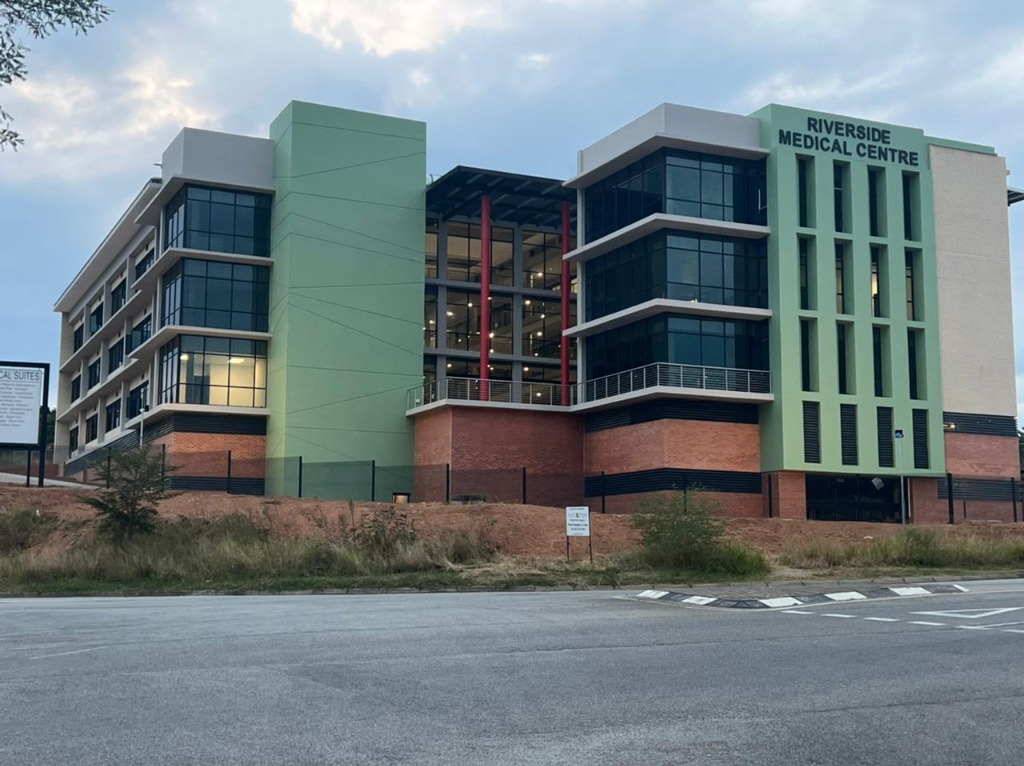
MPUMALANGA PRACTICE
Suite 201E, Riverside Medical Centre, 05 Torrent Crescent, Riverside Park, Mbombela 1200
Monday–Friday · 08:30–17:00
View Mbombela PracticeSTART YOUR SURGICAL JOURNEY
Every patient is different. Dr MP Madzhia can assess your concerns, discuss suitable treatment options and help you understand the potential benefits, limitations and risks.