Full Abdominoplasty with Muscle Plication
Addresses the entire abdominal wall from pubic bone to ribs, repairing diastasis recti and relocating the umbilicus.
ABDOMINAL SURGERY & RECONSTRUCTION
Specialist surgical removal of redundant abdominal skin, repair of separated core muscles (diastasis recti), and waistline narrowing to restore a firm, flat, and toned abdomen.

CLINICAL FOUNDATION & MECHANICS
In-depth medical explanation of anatomical principles and clinical execution.
Abdominoplasty (commonly known as a tummy tuck) is a major functional and aesthetic surgical procedure designed to repair and restore the anterior abdominal wall.
Pregnancy, significant weight loss, and the natural aging process frequently cause irreversible structural changes to the abdomen. The vertical rectus abdominis muscles can stretch and separate down the midline (a condition called diastasis recti), leaving a permanent protruding bulge that cannot be flattened by exercise. Concurrently, the overlying skin loses its elasticity, resulting in stretched folds, stretch marks, and a loose abdominal apron (panniculus).
A tummy tuck addresses all three anatomical layers: it repairs and plicates the separated abdominal muscle wall like an internal corset, excises the excess hanging skin and fat apron, and relocates the umbilicus (belly button) to an aesthetically natural, youthful position.
During a full abdominoplasty, a low horizontal incision is made across the lower abdomen, positioned carefully below the bikini or underwear line.
Dr Madzhia elevates the skin and subcutaneous fat flap up to the lower ribs, exposing the underlying rectus abdominis muscles. Heavy-gauge internal sutures are placed along the midline fascia, bringing the separated muscles back together to restore core stability and a flat abdominal profile.
The skin flap is then redraped downward, excess redundant tissue (often including past c-section scars and lower stretch marks) is excised, and the belly button is brought out through a small new opening and sutured with microscopic precision. Liposuction of the flanks is frequently performed concurrently to maximize waist definition.
Every procedure performed by Dr MP Madzhia adheres strictly to South African HPCSA specialist plastic surgery standards, utilizing accredited private hospital operating rooms and registered specialist anaesthetists.
PATIENT SUITABILITY & ASSESSMENT
Understanding physical indications, general health criteria, and situations where treatment is not advised.
POSITIVE CANDIDACY FACTORS
Suitability is determined during an individual clinical consultation. Common positive indications include:
Dr Madzhia adheres to ethical surgical boundaries. Conditions that generally preclude or postpone treatment include:
An in-person clinical examination with Dr Madzhia is necessary to evaluate your anatomy and determine treatment appropriateness.
Book ConsultationRECOGNIZED TECHNIQUES
Evidence-based clinical techniques tailored to your individual anatomical structure.
Addresses the entire abdominal wall from pubic bone to ribs, repairing diastasis recti and relocating the umbilicus.
Suited for patients with mild laxity confined strictly below the belly button; involves a shorter scar without umbilical repositioning.
Combines aggressive flank liposuction with selective tissue undermining, preserving neurovascular perforators for enhanced safety and waist narrowing.
YOUR PATIENT PATHWAY
Clear, structured steps to ensure your comfort, safety, and confidence.
Your consultation with Dr MP Madzhia in Polokwane or Mbombela includes a thorough physical examination of abdominal muscle integrity (evaluating diastasis width and hernia presence), skin elasticity, and scar history. Dr Madzhia discusses the exact scar placement, recovery milestones, compression garment protocols, and transparent costs.
Strictly zero smoking or nicotine use for at least 6 weeks before and after surgery. This is vital to prevent skin flap necrosis.
Maintain a stable weight for at least 3 to 6 months prior to surgery.
Arrange a recliner or bed with extra pillows to maintain a flexed-torso resting position during early recovery.
Ensure an adult is available to assist you around the clock for the first 3 to 5 days post-discharge.
PROCEDURE & RECOVERY
From theatre execution through guided post-operative recovery milestones.
Performed under general anaesthesia in an accredited acute-care hospital. The procedure takes between 2.5 and 4 hours. Sequential calf compression devices, warming blankets, and deep muscle relaxation are managed by a specialist anaesthetist. Closed-suction surgical drains are typically placed and remain for 5 to 10 days.
Recovery timelines are clinical estimates; individual healing rates vary based on tissue biology and procedural extent.
Walk in a slightly flexed (bent forward) position to relieve tension on the abdominal incision. Discomfort controlled with analgesia. Empty and record drain fluid.
Drains removed once output drops. Gradual return to upright posture. Return to sedentary desk duties after 10 to 14 days.
Medical compression garment worn 24/7. Core swelling moderates. Light walking and routine daily tasks resumed; no lifting over 5kg.
Full abdominal wall strength recovered. Core fitness exercises resumed. Scar matures and fades into a discreet bikini-line trace.
Abdominoplasty is a major surgical procedure. Potential complications include prolonged swelling, seroma (fluid accumulation beneath the flap), delayed wound healing (especially at the central lower incision), visible scarring, temporary numbness of the lower abdominal skin, and asymmetry. Systemic risks such as deep vein thrombosis (DVT) are minimized by early walking, calf pumps, and chemical thromboprophylaxis.
A dramatically flatter, firmer abdominal profile, a narrowed waistline, elimination of the hanging skin apron, and renewed confidence in fitted clothing and swimwear.
Natural biological aging and weight fluctuations will continue naturally over your lifespan.
PATIENT QUESTIONS
Detailed medical answers to the most common questions prospective patients ask Dr MP Madzhia regarding Tummy Tuck (Abdominoplasty).
Liposuction removes fat deposits from beneath the skin, but it cannot tighten loose skin or repair separated abdominal muscles. A tummy tuck removes excess hanging skin, tightens stretched skin, and surgically repairs separated core muscles (diastasis recti). For many patients, liposuction is combined with a tummy tuck for optimal results.
Yes. Muscle repair (rectus plication) is a cornerstone of a full abdominoplasty. Dr Madzhia brings the separated left and right abdominal muscles back together along the midline using durable internal sutures, restoring your core strength and creating a flat stomach.
The incision is placed horizontally across the lowest part of the abdomen, just above the pubic hairline. Dr Madzhia carefully positions the scar so that it remains completely concealed beneath standard underwear, bikini bottoms, and swimwear. There is also a small, delicate scar around the inside of the belly button.
Yes, it is medically safe to get pregnant after a tummy tuck. However, pregnancy will re-stretch the repaired abdominal muscles and skin, which can reverse your surgical results. For this reason, it is strongly recommended to wait until you have completed your family before undergoing abdominoplasty.
Because excess skin is removed and the abdominal wall is tightened, you will walk with a slight forward bend for the first 5 to 10 days to relieve tension on the incision. As the tissues relax, you will naturally and comfortably stand completely upright by week two.
Most patients experience significant soreness and tightness for the first 3 to 5 days, primarily due to the internal muscle repair. Discomfort is well controlled with prescription pain medication. By day 7 to 10, pain decreases substantially to a manageable ache.
Any stretch marks located on the lower abdominal skin that is excised (typically the area between your belly button and pubic bone) will be permanently removed. Stretch marks located on the upper abdomen will be shifted lower on the stomach but will remain.
If closed-suction drains are placed, they typically remain in place for 5 to 10 days until fluid output decreases to a safe, minimal level (usually less than 30ml in 24 hours). Removal is quick and causes minimal discomfort.
Light walking is encouraged from the day after surgery. You must avoid heavy lifting (over 5kg), core abdominal exercises, and strenuous workouts for at least 6 to 8 weeks to allow the muscle plication to heal completely.
Yes. Consultations, pre-operative planning, and post-operative follow-up visits are conducted at our Polokwane rooms (74 Grobler Street) and Mbombela rooms (Suite 201E Riverside Medical Centre). Surgical operations take place in accredited acute-care private hospitals.
Medical Disclaimer: The information provided on this page is intended for general educational purposes and does not replace professional medical advice, diagnosis or treatment. Every patient is different. Treatment suitability, potential benefits, risks and recovery expectations must be discussed with a qualified medical professional following an individual assessment. Patients experiencing acute medical symptoms should seek immediate emergency medical care rather than relying on an online inquiry.
COMPLEMENTARY CARE
Patients exploring this treatment often consider these related specialist procedures.
CONSULTATION LOCATIONS
Dr MP Madzhia consults at two modern, fully equipped medical facilities in Limpopo and Mpumalanga.
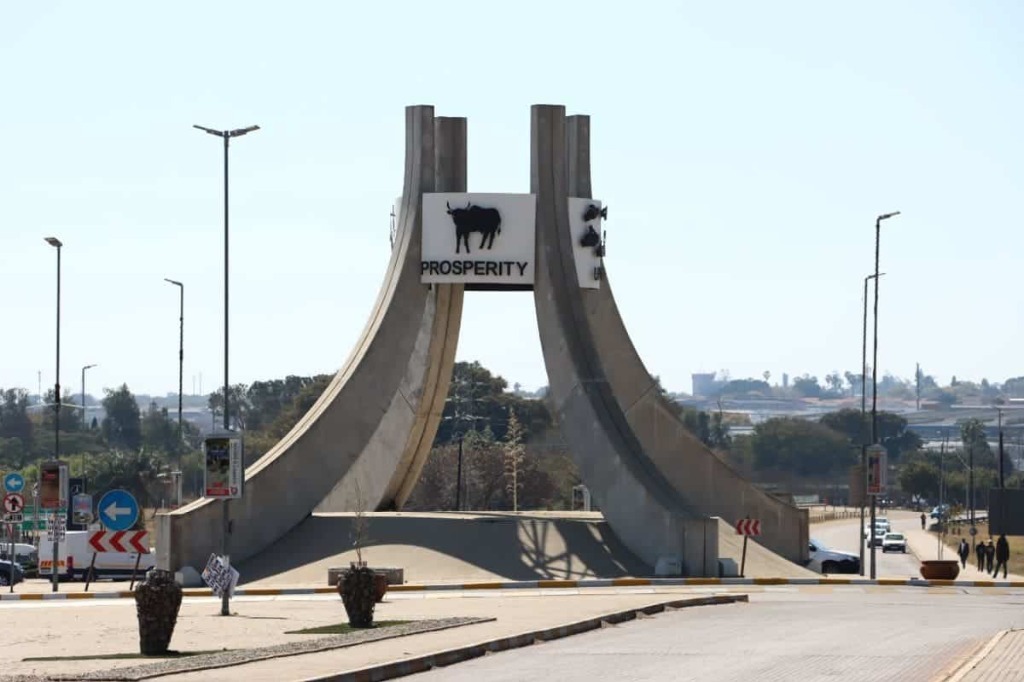
LIMPOPO PRACTICE
74 Grobler Street, Polokwane 0699
Tuesdays & Fridays · 08:30–17:00
View Polokwane Practice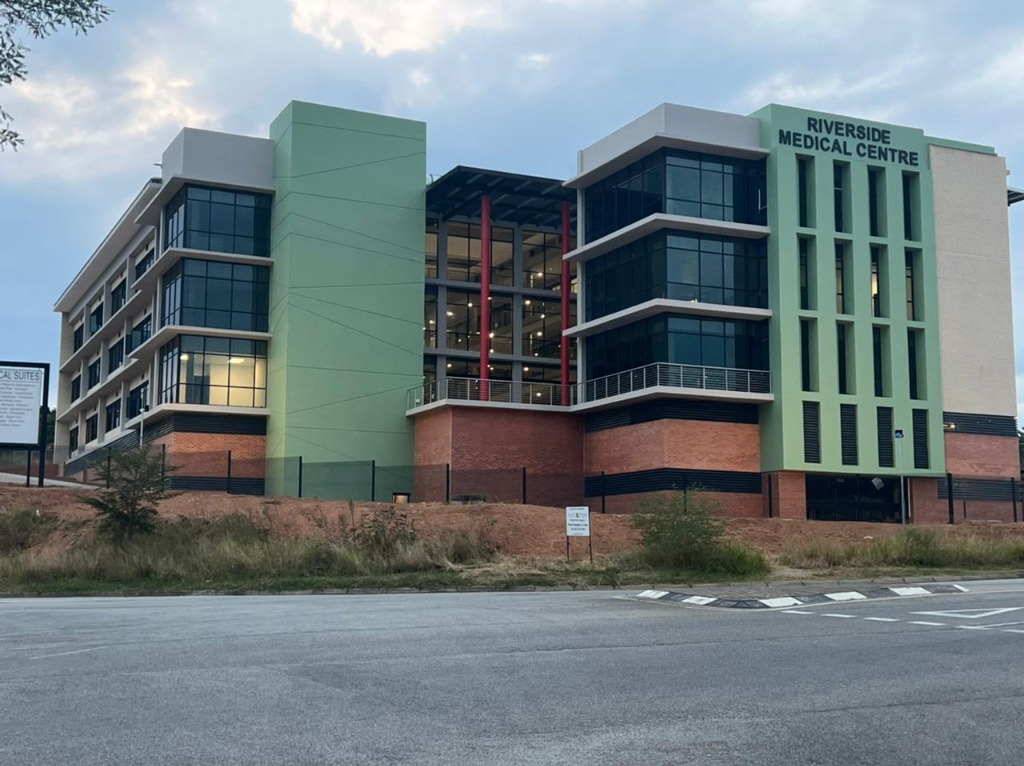
MPUMALANGA PRACTICE
Suite 201E, Riverside Medical Centre, 05 Torrent Crescent, Riverside Park, Mbombela 1200
Monday–Friday · 08:30–17:00
View Mbombela PracticeSTART YOUR SURGICAL JOURNEY
Every patient is different. Dr MP Madzhia can assess your concerns, discuss suitable treatment options and help you understand the potential benefits, limitations and risks.